
The actual chain of events that led to the creation of the SCCH looks as follows. In 2008, the Department of Slovak History, by means of Martin Homza, established ties with the Department of History of the Faculty of Arts of the University of Zagreb. The fact that Homza had previously become acquainted with Neven Budak in the old capital of the former common kingdom, i.e. in Budapest, more exactly at the Department of Medieval Studies at the Central European University, certainly played a crucial role. Tatiana Hutyrová, one of Homza’s students in Bratislava and one of the first “swallows” from Slovakia to study history in Zagreb, served as the intermediary between them. Intensive mutual communication between the two institutions resulted in a common historical excursion of history students from Bratislava and Zagreb around eastern Slavonia at the turn of April and May 2009.
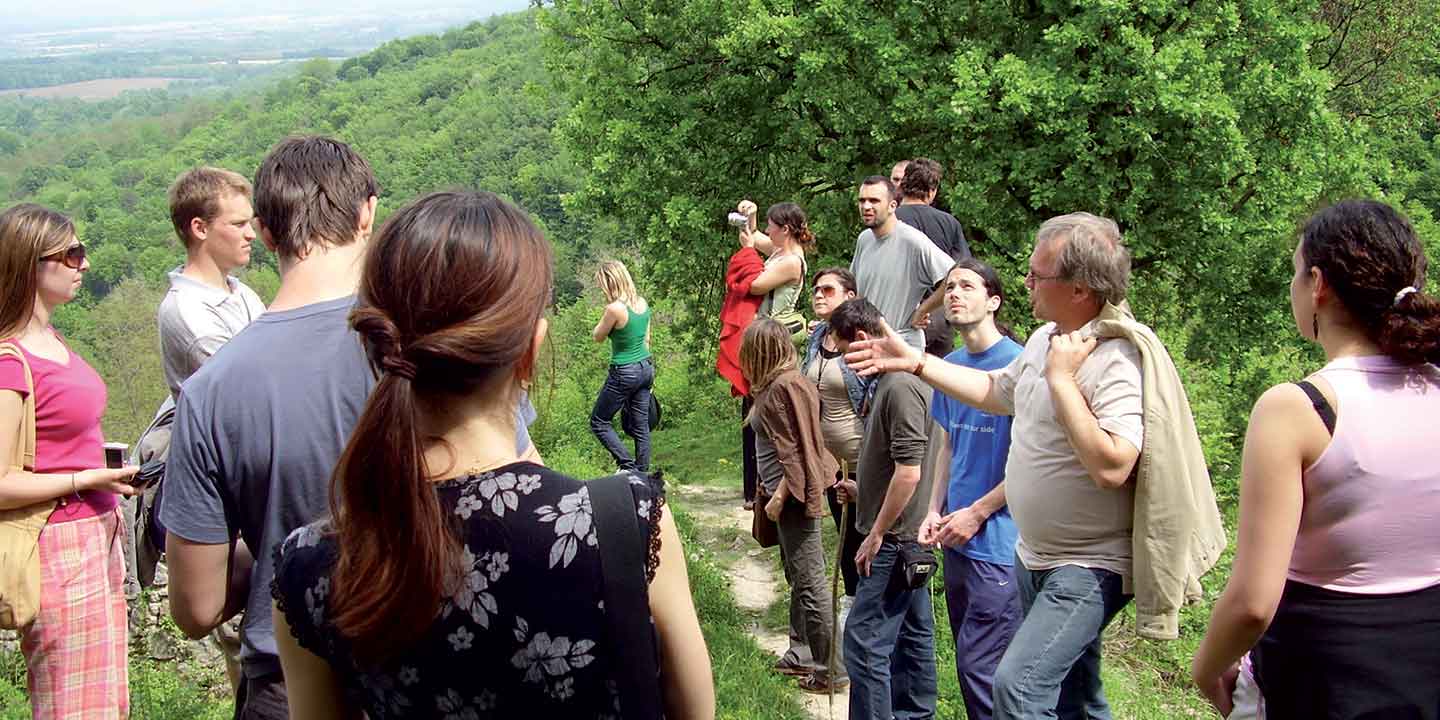
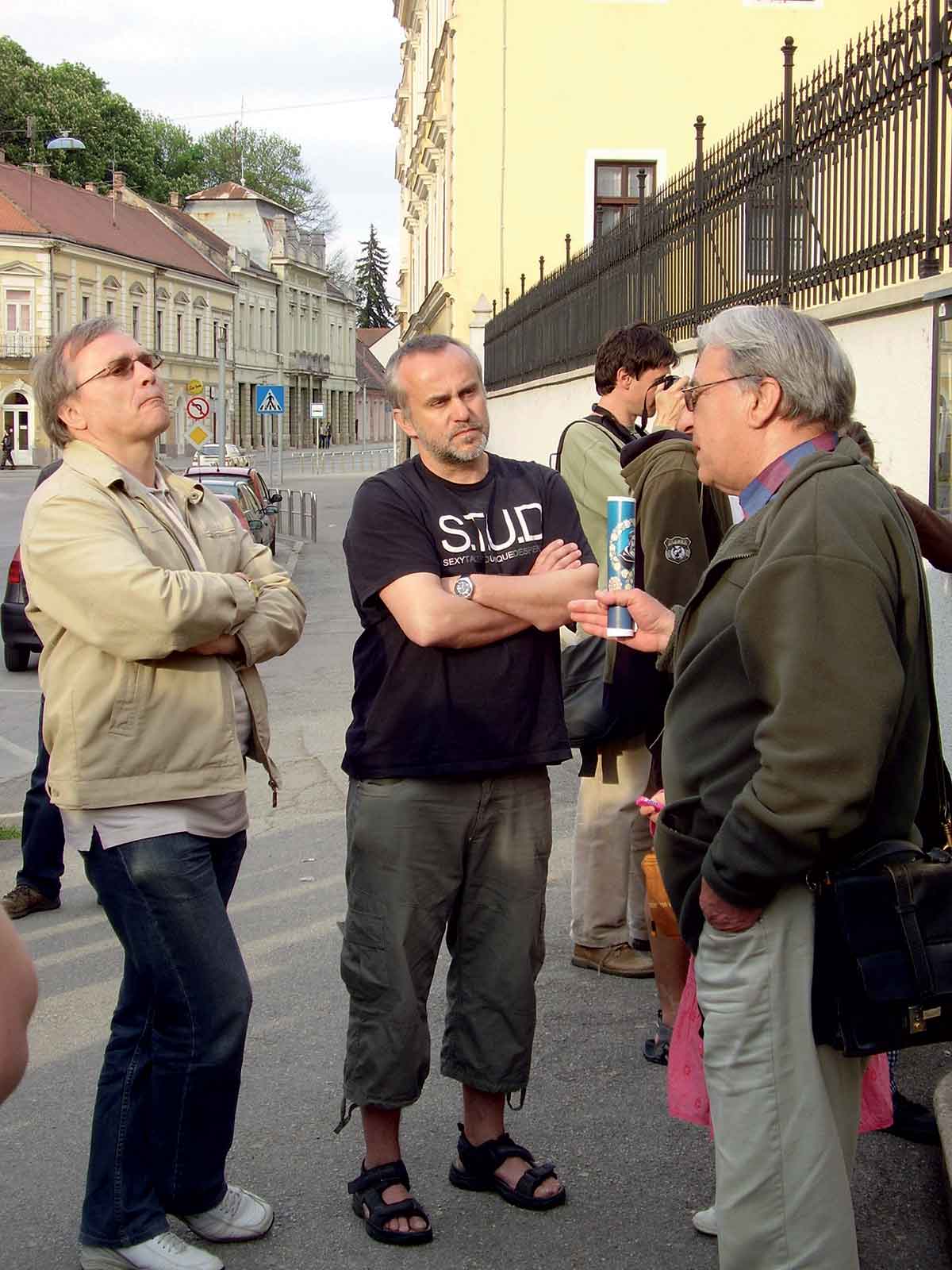
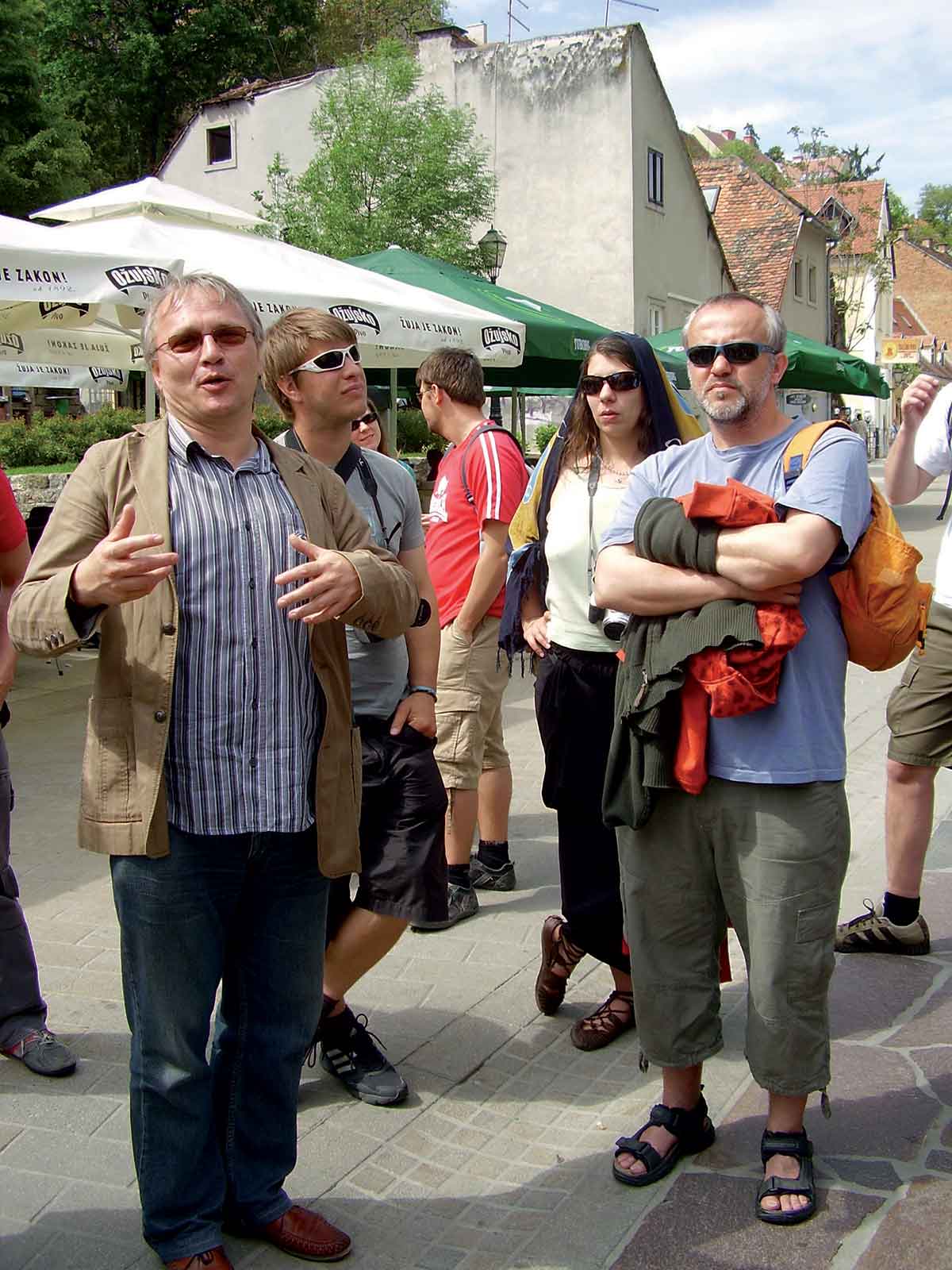
One of the most important results of this informal common event was the agreement between Martin Homza and Neven Budak on the organisation of the conference Slovakia and Croatia: Historical Parallels and Relations (until 1780), which eventually took place on June 20 – 24 in Bratislava and Levoča.
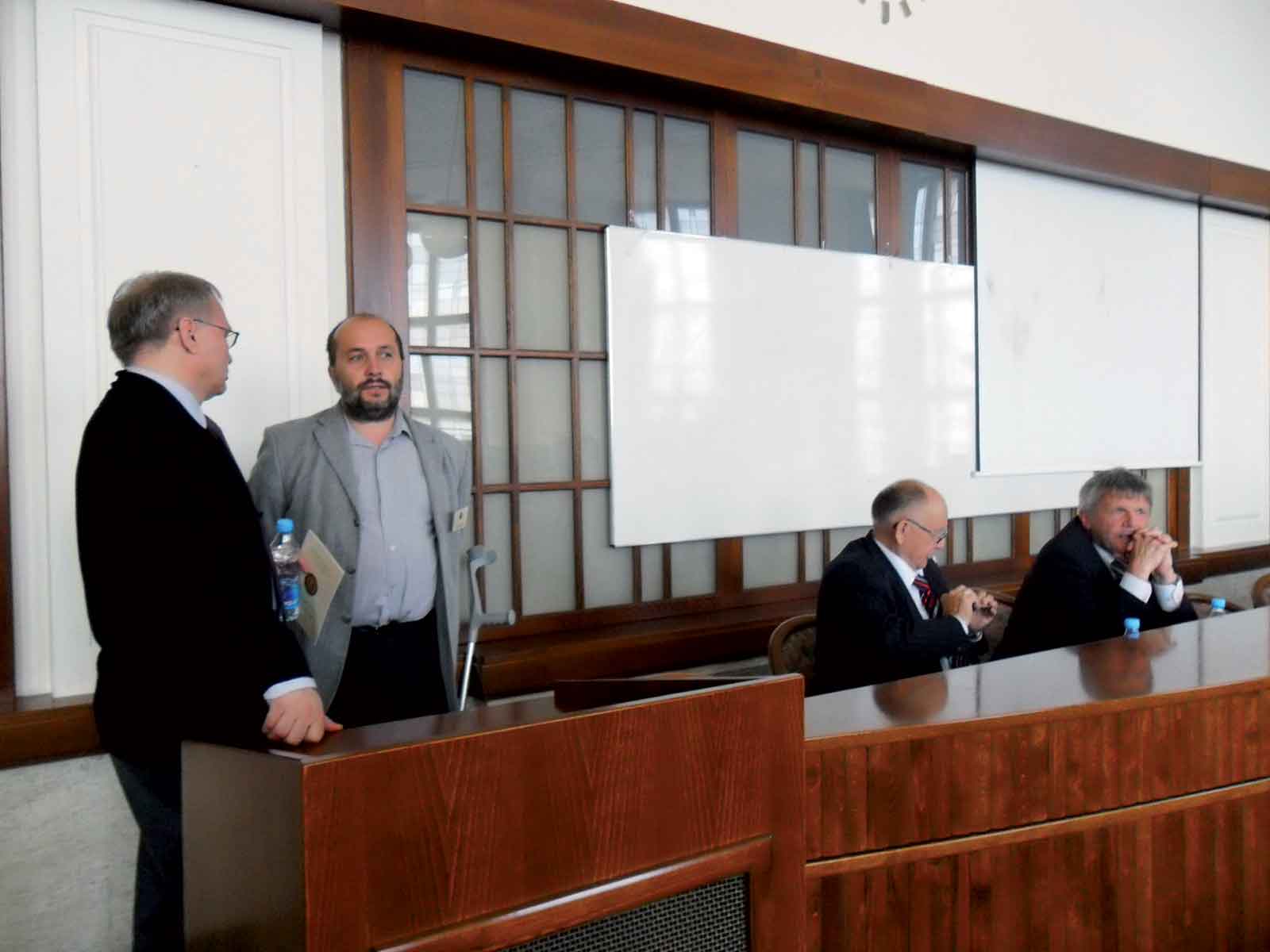
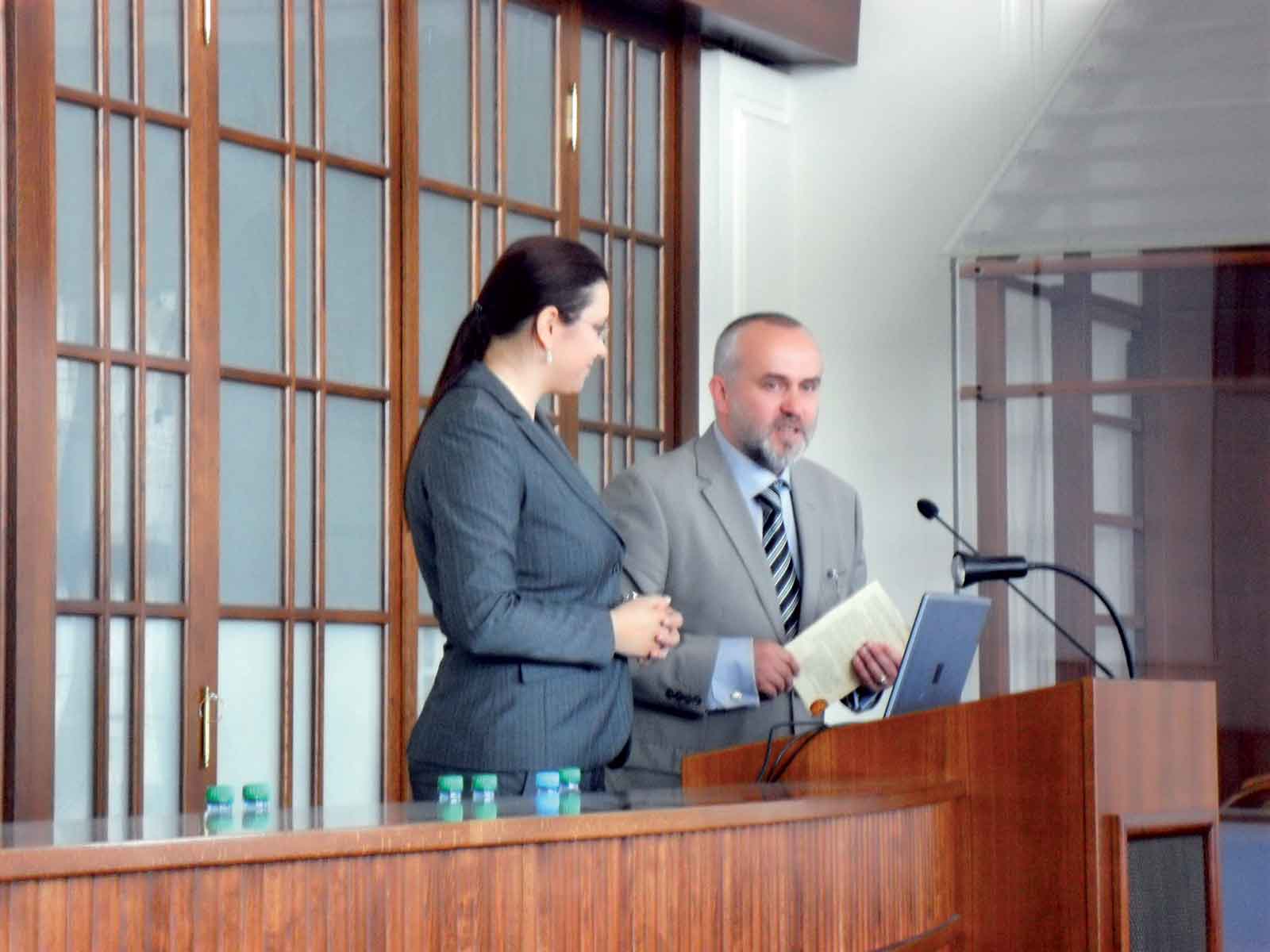
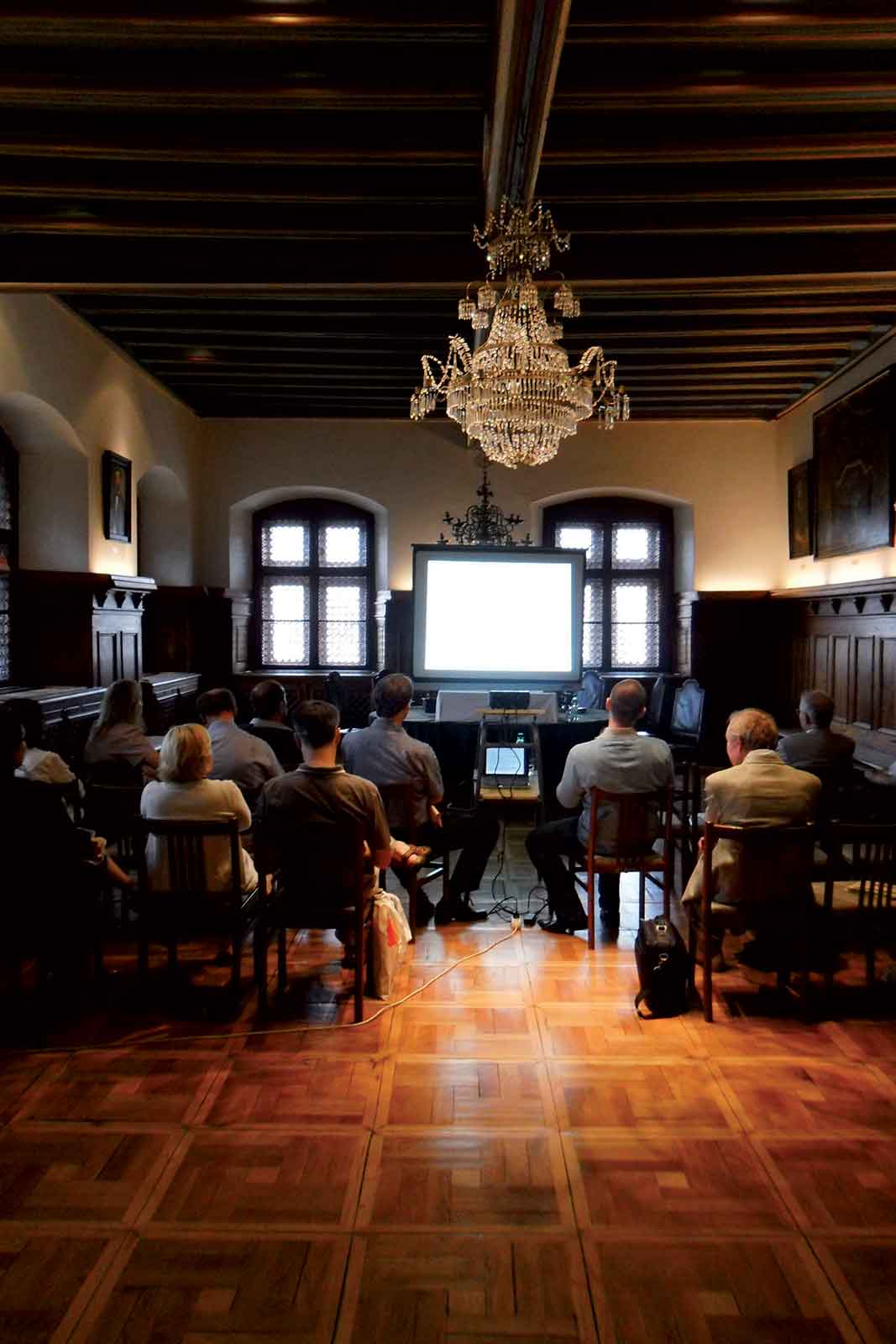
It counted with rich international participation, namely 45 scientists from Slovakia, Croatia, Hungary, the Czech Republic, Russia, Ukraine, Poland, Romania and Serbia. It was organised by the Department of Slovak History at the Faculty of Arts at Comenius University in Bratislava together with the Department of History at the Faculty of Arts at University of Zagreb. Its fruit was the memorable and representative almost 450-page proceedings of the conference, entitled Slovakia and Croatia, vol. I. 1Slovakia and Croatia, vol. 1: Historical Parallels and Connections (until 1780). Ed.: Martin Homza – Ján Lukačka – Neven Budak. Bratislava – Zagreb: Department of Slovak History, 2013. In addition to valuable scientific results, the forum of Slovak and Croatian historians also determined the mechanisms and goals of further cooperation, which were summarised in the Agreement on Cooperation between the Department of Slovak History at the Faculty of Arts at Comenius University and the Department of History at the Faculty of Arts at the University of Zagreb. This agreement constituted the informal starting point for mutual cooperation until the establishment of the SCCH.
Among other points, it included a commitment for the University of Zagreb to organise a scientific conference entitled Croatia and Slovakia: Historical Parallels and Relations (from 1780 to the Present) as well as a commitment for both sides to develop efforts to create the legal framework necessary to establish a common Commission for Humanities: “whose aim will be interdisciplinary research and research into our (Slovak and Croatian) common (cultural) heritage”.
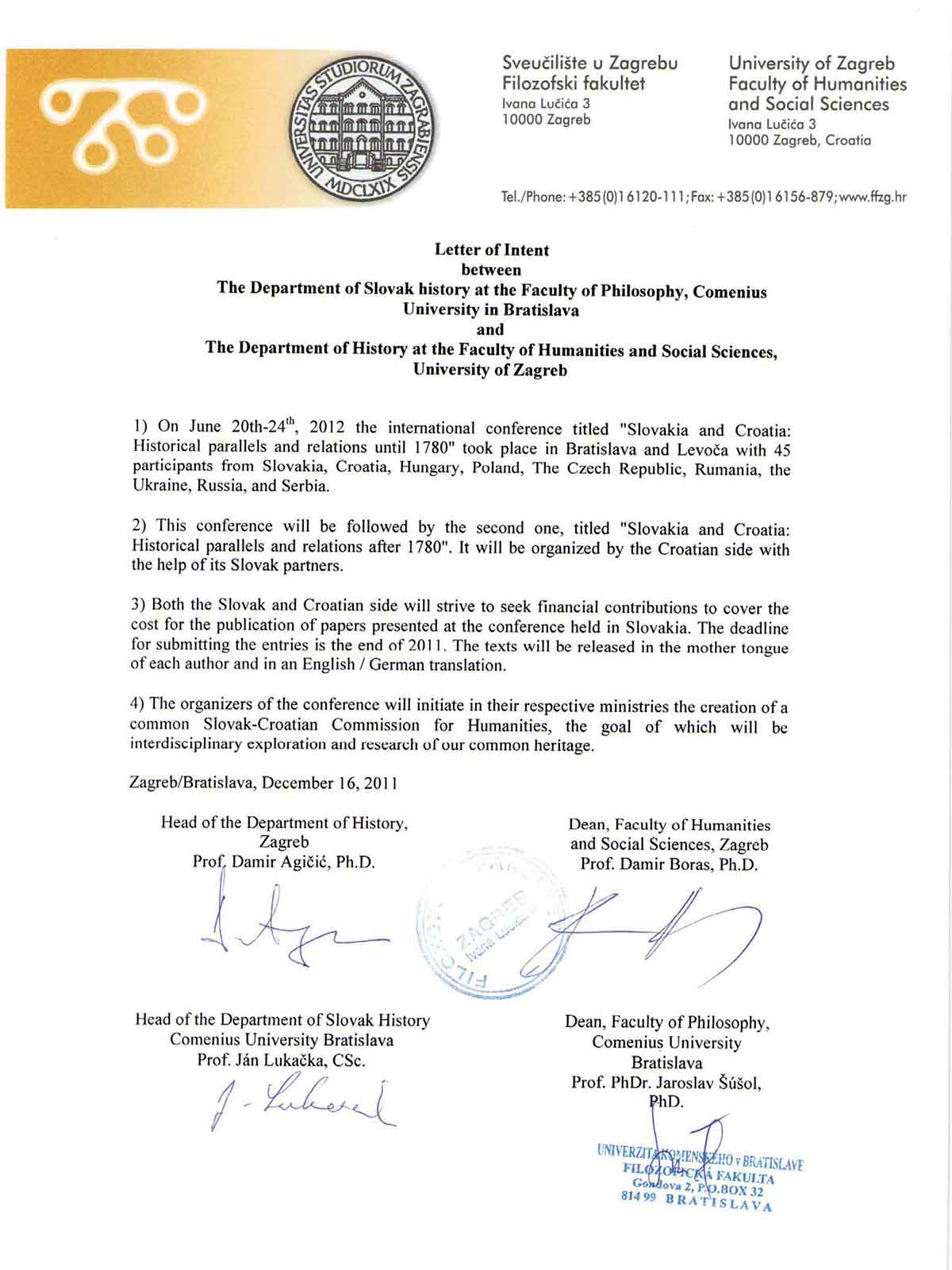
In December 2011, the three versions of the agreement, namely in Slovak, Croatian and English, were signed by the Dean of the Faculty of Arts at Comenius University, Jaroslav Šúšol, and by the member of the Department of Slovak History, Ján Lukačka, on behalf of the Slovak side, as well as by the Dean of the Faculty of Arts at the University of Zagreb, Damir Boras, and the Head of the Department of History, Damir Agičić, on behalf of the Croatian side.After that, the Foreign Departments at the Ministries of Education of Slovakia and Croatia started to negotiate the conditions under which the SCCH would be established. In 2013, the ministries of both parties approved the Cooperation Program between the Ministry of Education, Science, Research and Sport of the Slovak Republic and the Ministry of Science, Education and Sport of the Republic of Croatia for 2014 – 2017, whose Article 11 stipulated the creation of the SCCH.
“The Contracting Parties shall establish and subsequently support the activities of the Slovak-Croatian Commission for Humanities, whose meetings will be held regularly in both countries in accordance with the statute of the Commission. The composition of the Commission and the number of its members shall be determined by the Contracting Parties by mutual agreement.” 2Author’s archive. See SCCH webpage (under construction).
Consequently, the initiative of both scientific centres in Bratislava and Zagreb finally got the necessary legal foundations to launch their activities. The creation of the new commission seemed within reach. However, the road to it proved to be much longer and thornier than expected.
- 1Slovakia and Croatia, vol. 1: Historical Parallels and Connections (until 1780). Ed.: Martin Homza – Ján Lukačka – Neven Budak. Bratislava – Zagreb: Department of Slovak History, 2013.
- 2Author’s archive. See SCCH webpage (under construction)